
Preparing the Way for God Himself
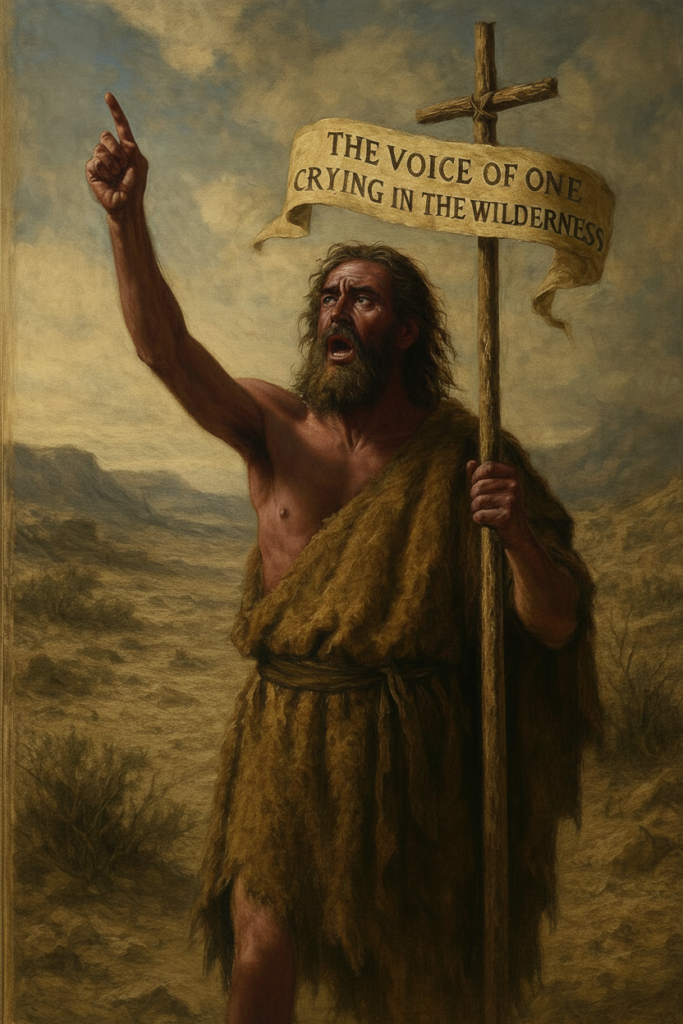
Before Jesus began His public ministry, God sent John the Baptist to prepare the way, not for a prophet or a teacher, but for God Himself. Scripture is clear that the One who was coming was the Lord, the Savior, Emmanuel—God with us—God come to earth in the flesh, the eternal King whose origins are from eternity. John’s voice cried out in the wilderness, calling people to repentance, because the kingdom of heaven was at hand. Jesus did not come merely as a messenger from God; He came as God, fulfilling every promise, every prophecy, and every purpose of the Father.
Centuries after Isaiah spoke of God’s coming rescue, John appeared in the wilderness. He lived simply, clothed in camel’s hair, and preached a clear and urgent message: repentance.
“John appeared, baptizing in the wilderness and proclaiming a baptism of repentance for the forgiveness of sins.” — Mark 1:4 (ESV)
When religious leaders questioned him, John did not claim importance for himself. He denied being the Messiah and even denied being Elijah.
He confessed, and did not deny, but confessed, ‘I am not the Christ.’” — John 1:20 (ESV)
John did not fully grasp the greatness of what God was accomplishing through him. He never elevated himself or proclaimed his prophetic identity. He viewed himself as unworthy even to untie the Messiah’s sandals (John 1:27). Yet Scripture reveals that John was fulfilling prophecy in ways he himself did not fully understand.
John’s baptism symbolized repentance. It prepared hearts for the arrival of the Lord Himself. When John finally saw Jesus, everything became clear:
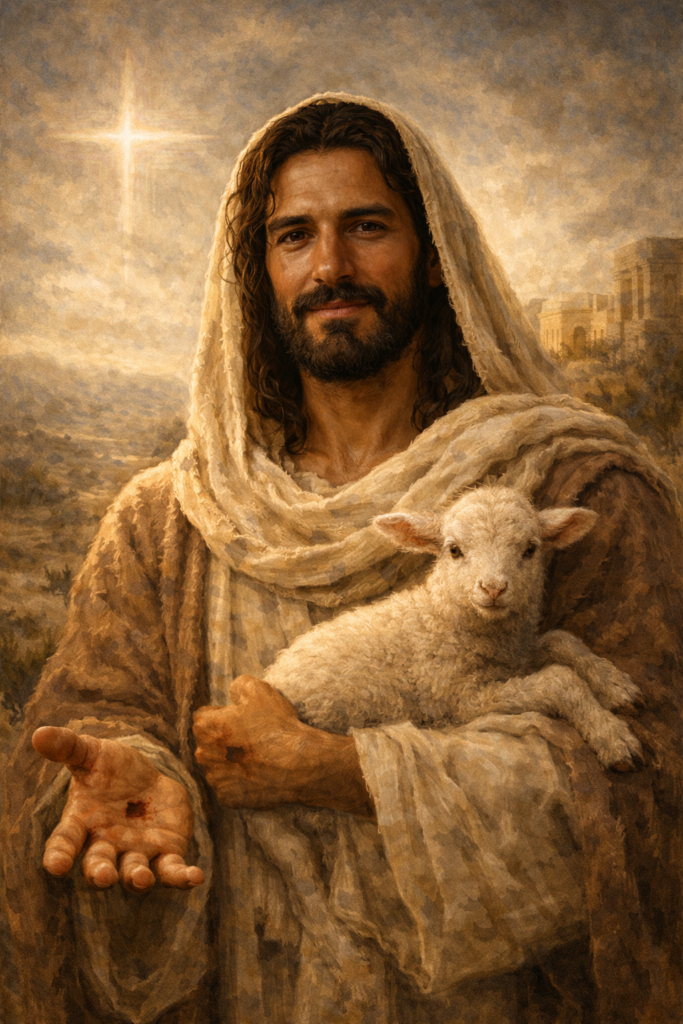
“Behold, the Lamb of God, who takes away the sin of the world!” —John 1:29 (ESV)
Although John denied being Elijah out of humility, Jesus spoke with divine authority and clarity when questioned by the Pharisees.
“If you are willing to accept it, he is Elijah who was to come.” — Matthew 11:14 (NIV)
Later, Jesus explained further:
“Elijah has already come, and they did not recognize him… Then the disciples understood that He was speaking to them about John the Baptist.” — Matthew 17:12–13 (NIV)
Jesus also honored John with these powerful words:
“I tell you, among those born of women there is no one greater than John.” — Luke 7:28 (NIV)
John was not Elijah reincarnated. He came in the spirit and power of Elijah, fulfilling prophecy by preparing the way for Yahweh Himself.
And Jesus was that Yahweh.
“The Word became flesh and dwelt among us.” — John 1:14 (ESV)
Despite overwhelming evidence, many rejected both John and Jesus. John was imprisoned and beheaded. Jesus was later crucified. Yet even rejection fulfilled God’s redemptive plan.
“He was led like a lamb to the slaughter.” — Isaiah 53:7 (NIV)
John’s life still speaks today. His humility teaches us to point others to Jesus, not ourselves. His voice still cries across time:
“Prepare the way of the Lord.” Isaiah 40:3, Matthew 3:3, Mark 1:3, and Luke 3:4.
Jesus remains the promised Savior: God Himself who came to redeem humanity. He still calls hearts to repentance, faith, and new life.
He is Calling You!
Why Repentance and Humility Open the Door to Salvation
God’s call has not changed. The voice still cries, “Prepare the way of the Lord.”
That preparation begins with repentance, turning away from self-rule and turning toward Christ. If you have been living on your own terms, now is the time to respond. Lay down pride, surrender control, and trust Jesus as Savior and Lord.
He does not ask you to fix yourself first. He asks you to come as you are.
“Repent therefore, and turn back, that your sins may be blotted out.” (Acts 3:19, NIV)
“If we confess our sins, He is faithful and just to forgive us.” (1 John 1:9, ESV)
Today can be the beginning of new life, restored relationship with God, changed direction, and eternal hope through Jesus Christ.
Leave a Reply